
The Benefits of Aquatic Therapy for Arthritis Relief: What the Science Says


I work with a lot of clients who live with arthritis. Some are newly diagnosed, others have been managing joint pain for years. What they all have in common is a deep desire to keep moving—but without paying the price in stiffness, swelling, or fatigue the next day.
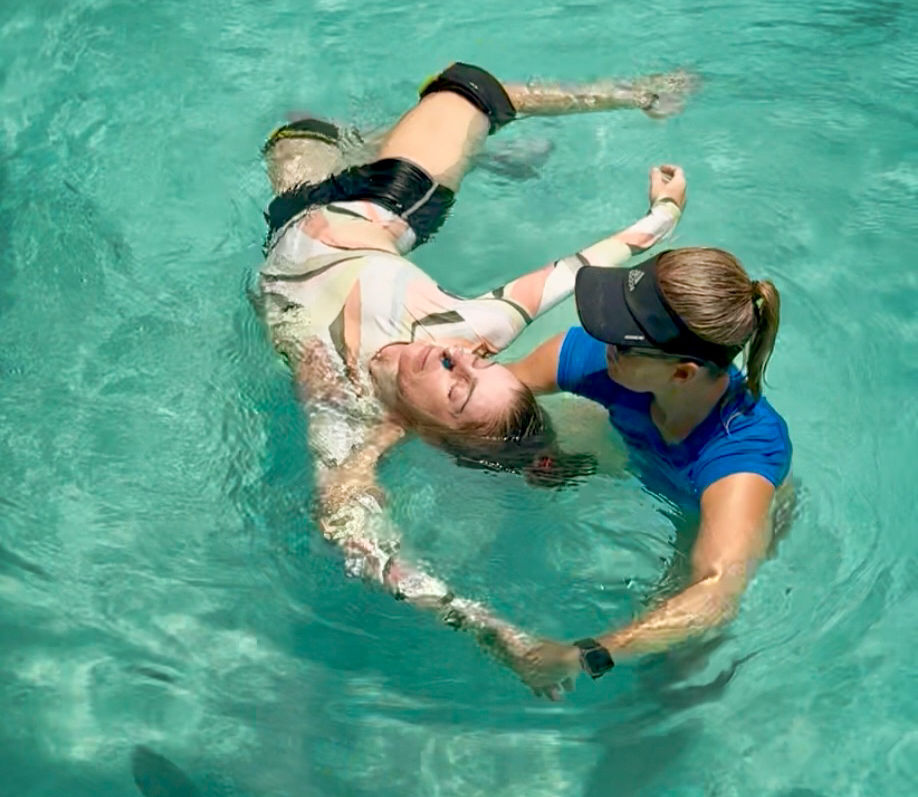
That’s one of the reasons I love offering passive aquatic therapy. It’s not about exercise or pushing through pain. It’s about creating a space where your body can finally feel supported, weightless, and calm. The warm water soothes stiff joints, and the gentle movement helps improve circulation, mobility, and ease.
Research backs up what my clients feel—aquatic therapy can truly help reduce pain and improve quality of life for people with arthritis.
Here’s why it works so well.
1. The water holds you
One of the most immediate benefits of aquatic therapy is the feeling of being weightless. Water supports your body, which means your joints aren’t fighting gravity the way they are on land. For arthritic joints, this can be an enormous relief.
A 2022 meta-analysis of 20 randomized controlled trials found that aquatic environments consistently reduce pain and improve function in people with osteoarthritis—far more than doing nothing at all, and in some cases more than land-based exercise (PubMed PMID: 35327038).
Even if you’re not “exercising” in the water, the environment itself helps your body relax, decompress, and move with less effort.
2. Warm water is therapeutic on its own
Studies show warm water increases blood flow to muscles and joints, helping reduce stiffness and ease inflammation. One trial found that passive hydrotherapy significantly improved how people felt—even when their measurable movement scores stayed the same. (PubMed PMID: 17331241)
Why does that matter? Because sometimes just feeling better is the first step to doing more.
3. It helps regulate your nervous system
There’s a kind of tired that goes beyond sore joints. It’s the full-body fatigue that comes with chronic pain, stress, and inflammation. Passive aquatic therapy can help with that too.
Gentle movement, floating support, and warm water all send signals to your nervous system that it’s okay to relax. For people living with arthritis, this kind of down-regulation can be just as important as stretching or strength work.
4. It’s safe, calming, and often more effective than people expect
Many people assume that if they’re not sweating or working hard, it “doesn’t count.” But the research suggests otherwise.
In a 16-week study of people with rheumatoid arthritis, those who participated in warm water therapy reported better pain relief and improved strength—even compared to those doing more active, land-based sessions (PubMed PMID: 35633390).
Sometimes, less really is more.
What to do now?
If you’re dealing with arthritis and feel like your options for relief are limited, I’d love to invite you to experience what passive aquatic therapy feels like.
Want to learn more? You can click here to explore my aquatic therapy offerings or send me a message with questions. Let’s help your body feel safe, supported, and a little more free.


Comments